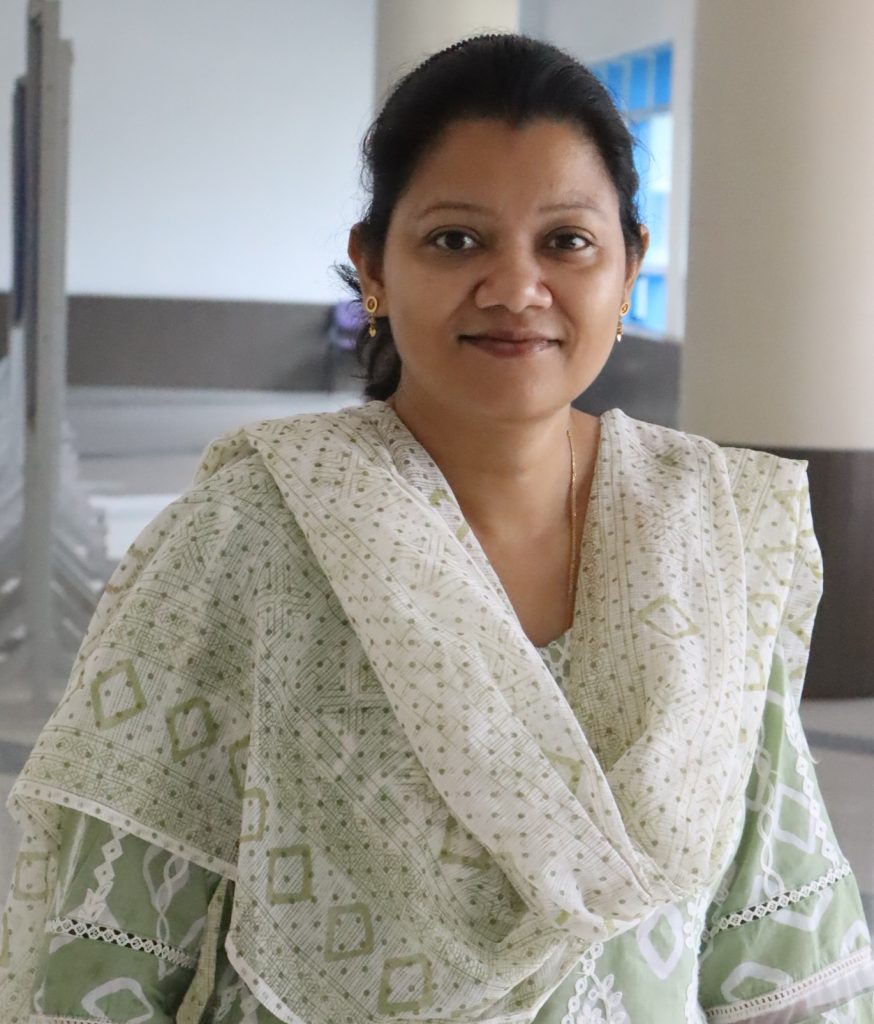
Dr. Durba Pal is currently serving as an Associate Professor at the Indian Institute of Technology Ropar, where she joined the Center for Biomedical Engineering in December 2016. Her academic journey reflects a strong foundation in metabolic disease biology and translational research. After completing her Master’s degree from the University of Calcutta, she initiated her research career at the CSIR-Indian Institute of Chemical Biology and later pursued her doctoral studies at Visva-Bharati University. Her Ph.D. research focused on unraveling the molecular mechanisms underlying insulin resistance, specifically through her work titled “Role of fetuin-A in lipid-induced insulin resistance.”
During her doctoral research, Dr. Pal made a seminal discovery identifying fetuin-A, a liver-derived glycoprotein, as a crucial molecular adaptor linking saturated free fatty acids to Toll-like receptor 4 (TLR4). This interaction was shown to trigger pro-inflammatory signaling cascades in adipose tissue, thereby promoting chronic inflammation and insulin resistance—key hallmarks of type 2 diabetes mellitus. Her findings significantly advanced the understanding of metabolic inflammation and positioned fetuin-A as a promising therapeutic target. This groundbreaking work was published in Nature Medicine, where she served as the first author, and garnered widespread recognition, being highlighted in leading journals such as Cell, Science Signaling, Nature Cell Biology, Nature Immunology, and Diabetes.
Following her Ph.D., Dr. Pal expanded her research expertise through postdoctoral training under Prof. Chandan K. Sen at The Ohio State University Wexner Medical Center. There, she ventured into the emerging fields of cellular reprogramming and regenerative medicine. Notably, she contributed to pioneering work demonstrating in vivo transdifferentiation of dermal fibroblasts into functional endothelial cells and neurons using an innovative nano-electroporation platform. This work represented a significant advance in non-viral cell reprogramming technologies and was published in Nature Nanotechnology, where she was a joint first author.
Dr. Pal has since established herself as a leading investigator in the interface of metabolic disease, regenerative medicine, and bioengineering. She has authored numerous high-impact publications in peer-reviewed international journals and actively contributes to the scientific community as a reviewer for several reputed journals. Her research program at IIT Ropar is focused on developing next-generation cell-based therapeutics, integrating tissue engineering strategies with disease biology to address complex metabolic and degenerative disorders.
Her contributions have been widely recognized through several prestigious national and international awards. These include the DBT Wellcome Trust India Alliance Intermediate Fellowship (2023), the NASI Young Scientist Platinum Jubilee Award (2017) from the National Academy of Sciences India, the SERB Women Excellence Award (2018), and the SERB Early Career Research Award (2017) from the Science and Engineering Research Board. More recently, she has been honored with the Rajib Goyal Award and the Faculty Research and Innovation Award (Mid-Career Research Category, 2025–26) at IIT Ropar, further underscoring her sustained excellence in research and innovation.
Overall, Dr. Pal’s work exemplifies a rare integration of fundamental mechanistic biology with translational and technological innovation, positioning her at the forefront of efforts to develop novel therapeutic strategies for metabolic diseases and regenerative medicine.